备注:已完结
类型:剧情片
主演:Mario Lanza Ann Blyth Dorothy Kirst
语言:英语
年代:未知
简介:这部电影追溯了男高音恩里科·卡鲁索(1873-1921)的一生。他爱他的家乡那不勒斯的穆塞塔,然后是多萝西,一位大都会歌剧院赞助人的女儿。卡鲁索对两个女人的父亲来说都是不可接受的:对一个来说,因为他唱歌;对多萝西来说,因为他是个农民。对纽约的贵族来说,卡鲁索身材矮小,胸膛圆润,声音洪亮,情绪化,没有教养。他们的欣赏来得很慢。影片描述了卡鲁索的感叹:“男人没有声音,声音有男人”:他不能成为他想去的地方,因为他必须在别处唱歌,包括他母亲去世的那天。从头到尾,马里奥兰扎和来自大都会的明星们一起歌唱。
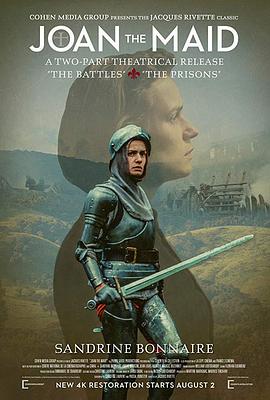
备注:已完结
类型:剧情片
主演:Tatiana Moukhine 桑德里娜·博内尔 Jean-Mari
导演:雅克·里维特
语言:法语
年代:未知
简介:A part of Joan of Arc's life. At the beginning, Jeanne (Joan) has already left Domremy, she is trying to convince a captain to escort her to moxia.cc the Dauphin. It ends during Jeanne's first battle, at Orleans. Meanwhile, Jeanne is depicted more as a warrior than a saint (all cliches are avoided), with only her faith for strength.
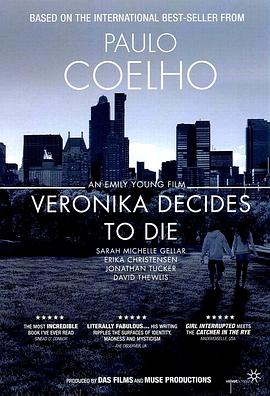
备注:已完结
类型:剧情片
主演:莎拉·米歇尔·盖拉 乔纳森·塔克 埃丽卡·克里斯滕森 丽纳·欧文 维克
导演:艾米丽·杨
语言:英语
年代:未知
简介:薇罗妮卡(莎拉·米歇尔·盖拉 Sarah Michelle Gellar 饰)是一名28岁的女青年。在旁人的眼中,她无疑是一名“成功人士”——有一张漂亮的面孔,一份稳定的工作和一处舒适的住所,这些许多人终其一生都无法得到的东西对于薇罗尼卡来说仿佛是与生俱来。可是,只有薇罗尼卡自己知道,她内心中的那个黑洞是再多的金钱和物质都无法填补的,在这个孤独而又冷漠的世界里,茕茕独立的她要忍受多少的痛苦才能安然的度过枯燥而又乏味的每一天。终于,忍无可忍的薇罗尼卡做出了决定,她决定去死。 似乎就连死神也对薇罗尼卡格外宽容似的,在鬼门关走了一遭的她终究还是被先进的医疗技术给救了回来,可是医生告诉薇罗尼卡,由于药物的缘故,她的心脏受到了极大的伤害,可能时日无多,而正是这离死亡越来越近的生活让薇罗尼卡对生命有了新的领悟。
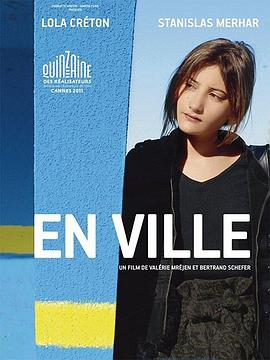
备注:已完结
类型:剧情片
主演:萝拉·克雷顿 斯坦尼斯拉斯·莫哈 阿黛拉·哈内尔 薇拉莉·邓泽里 Fe
导演:Valérie Mréjen Bertrand Schefer
语言:法语
年代:未知
简介:Iris, seize ans, vit la fin de son adolescence dans une petite ville de province lorsqu'elle rencontre par hasard Jean, un photographe parisien d'une quarantaine d'années. Au fil des rendez-vous, leur relation se transforme en une amitié amoureuse qui bouleverse leurs vies.
备注:已完结
类型:剧情片
主演:依莱姆·克里莫夫 Valentin Rasputin Stefaniy
导演:依莱姆·克里莫夫
语言:其它
年代:未知
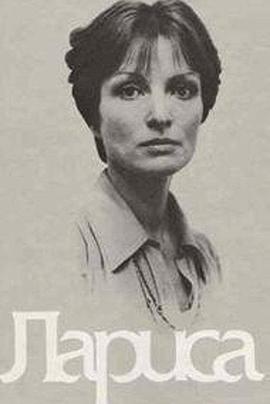
简介:A loving film tribute to Russian filmmaker Larisa Shepitko, who died tragically in a car accident in 1979 at the age of 40. This documentary by her husband, Elem Klimov, includes excerpts from all of Shepitko's films, and her own voice is heard talking about her life and art. Elem Klimov's grief-stricken elegy Larisa examines the life of his late wife—the film director Larisa Shepitko—through a series of direct-address interviews and photomontages, set against a mournful visual-musical backdrop. Typically, Klimov films his subjects (which include himself and several of Shepitko's collaborators) within a stark, snow-covered forest, its tangled web of trees standing in as metaphorical representation of a perhaps inexpressible suffering, the result of Shepitko's premature death while filming her adaptation of Valentin Rasputin's novella Farewell to Matyora. Interweaving home movie footage with sequences from Shepitko's work (Maya Bulgakova's pensive plane crash reminiscence from Wings takes on several new layers of resonance in this context), Larisa's most powerful passage is its first accompanied by the grandiose final music cue from Shepitko's You and I, Klimov dissolves between a series of personal photographs that encompass Larisa's entire life, from birth to death. This brief symphony of sorrow anticipates the cathartic reverse-motion climax of Klimov's Come and See, though by placing the scene first within Larisa's chronology, Klimov seems to be working against catharsis. The pain is clearly fresh, the wound still festering, and Klimov wants—above all—to capture how deep misery's knife has cut.