备注:已完结
类型:剧情片
主演:A. Alekseev 彼得·柳别什金 Oleg Mokshantse
语言:其它
年代:未知
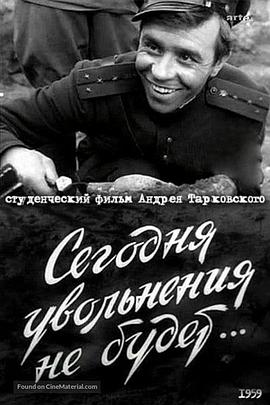
简介:影片主要讲了一支地区自卫队挖到了许多枚导弹,这些导弹可能是二战时候德国兵留下的,现在虽然藏在地下,仍有不小的隐患,如果30吨炸药全部爆炸的话,足以摧毁整个城市。影片刻画了士兵们在对待转移导弹这项艰巨的任务上各自复杂的心理活动,有的自告奋勇一马当先敢于迎接挑战,有的借口推搪。影片既有对士兵在面临危险大义凛然的颂扬,也有对情人之间彼此信任关切的微妙刻画。虽然短短的四十多分钟不足于对这些东西展开详细地描绘,但已经展现出老塔把握镜头语言和节奏的能力,总能让人感觉到一股紧张的气氛笼罩全局,并且悬念环生扣人心弦。
备注:已完结
类型:剧情片
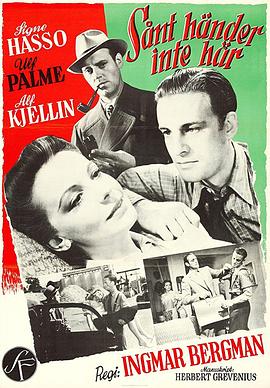
主演:西涅·哈索 阿尔夫·切森 乌尔夫·帕姆 约斯塔·塞德隆德 云韦·诺德瓦
导演:英格玛·伯格曼
语言:其它
年代:未知
简介:Atka Natas is a secret agent from the oppressive regime of Liquidatzia. He visits his estranged wife Vera, a chemist who is involved with a group of exiles trying to smuggle their compatriots out of Liquidatzia. Almkvist, an honest local policeman and former lover of Vera's, contacts her while investigating the death of one of the refugees. Natas has a list of agents operating in the host country and wants to sell them to the Americans. However before he can do so, Vera tries to kill him, after an argument about getting her parents out of Liquidatzia.
备注:已完结
类型:剧情片
主演:Adele Reuter-Eichberg 弗拉基米尔·盖达罗夫 Po
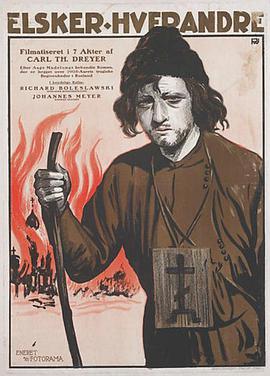
导演:卡尔·西奥多·德莱叶
语言:其它
年代:未知
简介:Russie, 1905. Lasse de l'atmosphère antisémite de son village natal, la jeune Hanne Segal part à Saint-Pétersbourg rejoindre son frère Jacob qui, converti au christianisme, est devenu un riche avocat. Elle y retrouve aussi son ancien ami Sacha, entré dans un groupe révolutionnaire...
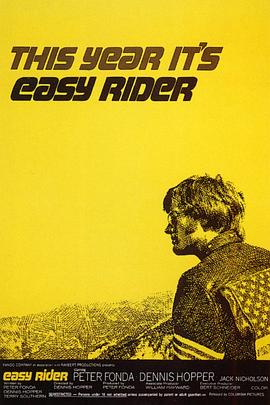
备注:已完结
类型:剧情片
主演:彼得·方达 丹尼斯·霍珀 杰克·尼科尔森 菲尔·斯派特 华伦芬纳蒂 卢
导演:丹尼斯·霍珀
语言:英语
年代:未知
简介:比利(丹尼斯·霍珀 Dennis Hopper 饰)和怀特(彼得·方达 Peter Fonda 饰)用一次毒品交易的钱骑着他们的机车上路了,他们的目的地,是新奥尔良的狂欢节。在路上,他们经过了离群索居的波西米亚人群落,短暂逗留的数天里目睹了他们自由放浪但也贫穷困苦的生活。在德克萨斯州,他们仅因为行为举止诡异就被警察关进了监狱,在那里,他们遇见了律师汉森(杰克·尼科尔森 Jack Nicholson 饰),汉森帮助他们逃离了牢狱之灾,他们怂恿汉森同他们一起上路。抵挡不住内心的骚动,汉森同意了。三人来到一个保守的小镇,在那里受尽了居民的白眼。不受欢迎的三人只得露宿荒野,夜里,当地的居民乔装袭击了他们,汉森被打死。比利和怀特虽然震惊,但这一切都没能阻止他们前进的脚步。到达目的地的两人并没有感到喜悦,有的只是无尽的空虚,沮丧的两人打道回府,但令人意外的是,一个卡车司机和他的双杆猎枪使得他们的行程截然而止。 这是影史上最伟大的公路电影,也是为数众多的公路电影的鼻祖。
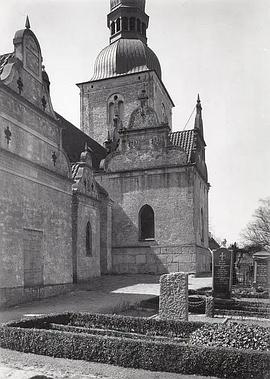
备注:已完结
类型:剧情片
主演:Ib Koch-Olsen
导演:卡尔·西奥多·德莱叶
语言:其它
年代:未知
简介:The history of Danish country church architecture is told by showing scenes of how the church was used by the congregation, beginning with the celebration of mass in a small and simple wooden church 800 years ago, and ending with the congregation singing in a village church of to-day. The development and the growth of the pattern of church architecture is shown. Dreyer in this film shows a series of churches from different periods with churchgoers in period clothing. Each period is separated by a shot of a church bell double-exposed on the sky. Although the film has a vibrant and instructive way of communicating the different epochs and styles to students, it does not exhibit the artistic quality that usually distinguishes a Dreyer film, except perhaps in some of the costumes, which were originally made for Day of Wrath. The board of Dansk Kulturfilm in autumn 1945 decided that their planned church film would exclusively be about village churches. Dreyer would rework the script that was written by editor and folk high-school principal Bernhard Jensen, aided by a committee of experts consisting of architect H. L?nborg-Jensen and Victor Hermansen, curator at the National Museum of Denmark. Dreyer had a first draft ready in mid-March, entitled Kirken er et gammelt Hus (The Church Is an Old House), which was distributed to the members of the committee for their comments. In the last half of July, Dreyer and Victor Hermansen travelled the country to look at suitable churches. They researched the details and at Dreyer’s request a number of technical changes were made to the churches, including the removal of porcelain holders for electrical wiring in Tveje Merl?se Church. On 4 July, Dreyer went in advance to Ringk?bing. Shooting was set to start a few days later with the arrival of the director of photography, Preben Frank, who had fallen off a ladder and broken his leg, Fortunately, he was ready to cautiously start working again within a few days, with his leg in a cast. Otherwise, the production went without a glitch. Everywhere, Dreyer said, they were well received at the vicarages and they had no problem getting enough extras. On 1 august, they returned to Copenhagen with almost all their footage in the can. They only needed to film the church in Skelby, where the weather had been against them, plus a Swedish wooden church in Hedared. The economy was distressed so soon after the war, especially when it came to foreign currency, but there were no real wooden churches left in Denmark and building an interior set in the studio would be too expensive. The finished film was shown for the first time on 24 September 1947 to a small, closed circle, which included the Minister for Ecclesiastical Affairs. In December 1947, as was Dansk Kulturfilm’s standard practice, the film was presented to the press, politicians and others on a programme with four other short films.