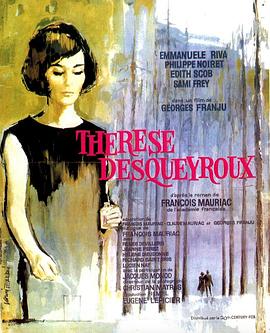
备注:已完结
类型:剧情片
主演:埃玛妞·丽娃 菲利普·努瓦雷 爱迪丝·斯考博 萨米·弗雷 勒妮·德维莱
导演:乔治·弗朗叙
语言:法语
年代:未知
简介:黛海丝是个爱好文学艺术并希望得到别人肯定和关怀的女郎,她有稳定安逸的生活环境,别人都羡慕不已,但却没人了解她内心的孤独。结果她因为得不到关心而企图毒死丈夫,被控谋杀后却得到人们的同情。丈夫不愿家丑外扬,连同她的父亲恩威并施,终于让她无罪释放,但她却一路回想起自己的生活:结婚的盟约、婚后生活的无聊、父亲的私欲、丈夫的不解风情、倾慕的男孩远走高飞等情节后感到了无生趣。从此丈夫把她当作疯子,她则以烟酒浇愁,越发寂寞痛苦。 影片取材自法国著名作家、诺贝尔奖得主莫里亚克的文学名著,并由他亲自编剧,《广岛之恋》女主角希娃担纲主演,赢得威尼斯影展的最佳女主角。影片忠实还原了莫里亚克原著的精髓,那种透入心骨的寂寞和痛苦强烈地渗入观众的心灵,文学意味很重,偏重描写人物的内心感受和思想活动,夹杂有倒叙和回忆的表现手法,有当时法国电影左岸派崇尚的意识流痕迹。
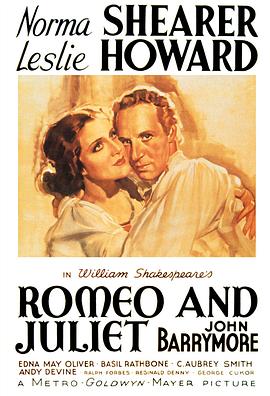
备注:已完结
类型:爱情片
主演:瑙玛·希拉 莱斯利·霍华德 约翰·巴里摩尔 康韦·特尔 拉尔夫·福布斯
导演:乔治·库克
语言:英语
年代:未知
简介:在一场盛大的舞会上,罗密欧(莱斯利·霍华德 Leslie Howard 饰)和朱丽叶(瑙玛·希拉 Norma Shearer 饰)相遇了。然而,两人所在的家族相互有着深仇大恨,所以情投意合的两人根本就没有可能走到一起。 入夜,罗密欧潜入朱丽叶家的后花园向其倾诉爱意,心意相通的两人难舍难分,决定瞒着家族偷偷完婚。朱丽叶的表兄泰华(巴兹尔·雷斯伯恩 Basil Rathbone 饰)得知此事十分愤怒,他向罗密欧发出了决斗的挑衅。莫丘托(约翰·巴里摩尔 John Barrymore 饰)是罗密欧的挚友,为了帮助罗密欧,他企图杀死泰华却反而丢掉了性命,罗密欧在悲愤之中杀死了泰华为好友报仇并因此被驱逐出境。在神父的建议下,朱丽叶服下了使人假死的毒药,想要出逃与爱人私奔,然而罗密欧对这一切却并不知情。
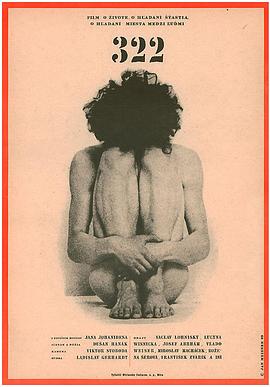
备注:已完结
类型:剧情片
主演:Václav Lohnisky 卢茜娜·温尼斯卡 约瑟夫·阿布汉姆 米
导演:杜桑·哈那克
语言:斯洛伐克语
年代:未知
简介:Mannheim-Heidelberg International FilmfestivalYearResultAwardCategoryRecipient(s)1969 Won Grand PrizeDusan HanákA government official in Czechoslovakia mistakenly believes he has cancer. He reasons his involvement in clandestine activities during the Stalin administration have fated him to die from a dreaded disease. He searches for inner peace as he feels the guilt of his past transgressions. This film tied for the Grand Prize at the Mannheim Film Festival in 1969.Slovak director Dusan Hanak was one of Czech cinema's brightest and best talents of the '60s and '70s, but because of censorship this was not manifest until the late '80s. Dusan made an impact on the film world with his auspicious debut 322 (1969). Though banned until 1988, when it was finally released, it earned international acclaim and the Grand Prix award at the Mannheim Film Festival. Hanak's sophomore effort, the documentary Obrazy Stareho SvetaImage of an Old World (completed in 1972), was also not released until 1988 and neither was his 1980 film Ja Milujem, Ty MilujesI Love You, You Love. Only Hanak's 1976 film Ruzove SnyRose-Tinted Dreams passed muster with censors and saw a timely release.
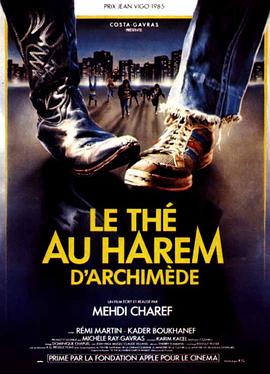
备注:已完结
类型:剧情片
主演:卡黛尔·布克阿奈夫 雷米·马丁 Laure Duthilleul Sa
导演:梅迪·夏夫
语言:法语
年代:未知
简介:剧情 一个法国少年和一个阿拉伯少年自幼便是街头的混混,他们缺乏家庭的温暖和社会的关注,以偷窃为乐,但当他们自认为最愚笨的同学摇身成为大富翁时,他们目瞪口呆,习惯了街头恶习的两人在辞工后不久,又陷入了爱情的困惑,最终都被警察带走,但他们对生活已经绝望,剩下的是两人间不变的友谊。 更多剧情 幕后花絮 本片属于波尔电影,也就是反映在法国的阿尔及利亚后裔人的电影作品。导演沙里夫是阿尔及利亚后裔,本片根据他的自传体小说改编,非常直白地将当时法国社会的阴暗现实反映出来。影片最后点出主题,渴望拆除种族的藩篱,超越肤色和种族和平友好地生活下去。整部电影的叙事手法平平,只是倒叙一段类似“戏中戏”处理得较有复古味道,不失讽刺韵味,人物的心理描写也细致准确,属于一部表现社会底层青年生活的社会写实作品。
备注:已完结
类型:剧情片
主演:Christian Heinisch Nazzareno Bianco
语言:其它
年代:未知
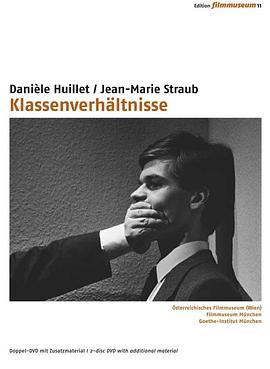
简介:改编自卡夫卡未完成的长篇小说《美国》,但其关注的并非真实的美国,更像是没有详细年代的关于美国的寓言。卡尔?罗斯曼由于丑闻而接受其舅舅的邀请搬去美国,然而他无法摆脱欧洲大陆旧式习惯,更糟的是,欧洲的阶级结构无法让他通过自己的双手谋生。这一电影版关注资本主义社会创造的残酷而变幻莫测的阶级关系。同时忠于原著而未添加影片的结局。施特劳布夫妇风格的一贯操作与卡夫卡氛围的完美结合:中景固定机位,面无表情的演员,人物肢体和语言刻意僵硬,强调侧面特写,镜头推进及平移刻意突兀。由此我们可以寻求到改编卡夫卡作品的带实验性的可能。
备注:已完结
类型:剧情片
主演:Heinrich Hargesheimer Carlheinz Har
语言:其它
年代:未知
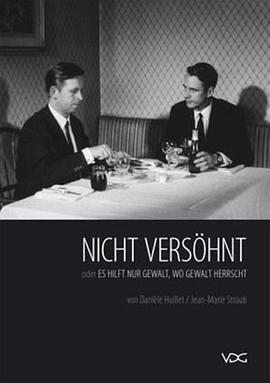
简介:The subtitle of Jean-Marie Straub and Danièle Huillet’s first feature, from 1965, “Only Violence Helps Where Violence Reigns,” suggests the fierce political program evoked by their rigorous aesthetic. The pretext of the film, set in Cologne, is Heinrich B?ll’s novel “Billiards at Half Past Nine,” which they strip down to a handful of stark events and film with a confrontational angularity akin to Bartók’s music that adorns the soundtrack. The subtlest of cues accompany the story’s complex flashbacks. The middle-aged Robert F?hmel tells a young hotel bellhop of persecutions under the Third Reich; his elderly father, Heinrich, an architect famed for a local abbey, recalls the militarism of the First World War, when his wife, Johanna, incurred trouble for insulting the Kaiser. A third-generation F?hmel is considering architecture, just as the exiled brother of Robert’s late wife, returns, only to be met by their former torturer, now a West German official taking part in a celebratory parade of war veterans. Straub and Huillet make the layers of history live in the present tense, which they judge severely. The tamped-down acting and the spare, tense visual rhetoric suggest a state of moral crisis as well as the response—as much in style as in substance—that it demands.