备注:已完结
类型:剧情片
主演:路易斯·沃海姆 刘·艾尔斯 约翰·雷 阿诺德·露西 本·亚历山大 斯科
导演:刘易斯·迈尔斯通
语言:英语,法语,德语,拉
年代:未知
简介:第一次世界大战期间,德国政府以漂亮的口号呼吁年轻热情的学生志愿者投身战场保家卫国。一腔热血的德国青年保罗·鲍曼(卢·艾尔斯 Lew Ayres饰)怀着英雄理想投身到一战之中。然而当保罗和他的同学们经过训练后,被派往西线参战时,他们目睹到的却是残酷的饥饿、血腥和死亡。战争的荒谬无情让保罗从迷恋战争到心灰意冷,因伤返乡。可是愚昧的乡民根本不知前线的危急,保罗义愤填膺地向学生陈述战争的无情,西线无战事。他提前结束休假返回前线,在战壕中伸手捕捉一支蝴蝶时,不幸被流弹击中。 由好莱坞著名导演刘易斯·迈尔斯通执导的经典反战题材影片《西线无战事》,改编自德国作家雷马克的同名小说。这部堪称电影史上“最伟大的反战电影”之一的影片,一举荣获1930年第3届奥斯卡金像奖最佳影片、最佳导演和最佳编剧提名。导演用简明精练的镜头再现了惨绝人寰的战争实况,也以细腻流畅的手法写活了...
备注:已完结
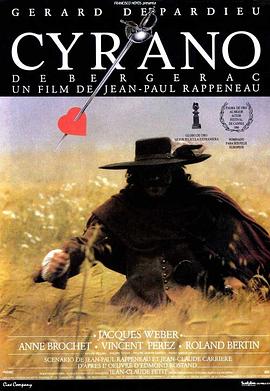
类型:剧情片
主演:热拉尔·德帕迪约 安妮·波诺什 文森特·佩雷斯 雅各布·韦伯 罗兰·伯
导演:让-保罗·拉佩诺
语言:法语
年代:未知
简介:西哈诺(杰拉尔?德帕迪约 Gérard Depardieu 饰)生性狂野不羁,心地善良,他默默地爱慕着表妹罗克珊(安妮?波诺什 Anne Brochet 饰),但是他生来长着一个丑陋的大鼻子,纵使自己才华横溢,也不敢对表妹表明心迹。一天晚上他狠狠地嘲讽并且击败一个富家子之后,罗克珊约他次日见面。西哈诺写好情书后准备表明情愫之时,罗克珊却告诉他自己爱上了英俊的新兵克里斯蒂(文森特?佩雷斯 Vincent Perez 饰),并嘱咐在同一兵队的西哈诺保护他。克里斯蒂也喜欢着罗克珊,西哈诺便将自己对罗克珊的爱慕付诸笔端以克里斯蒂之名送达罗克珊之手,并且巧妙地安排了两人的婚姻。谁知早就对罗克珊心怀不轨的军官见此情景愤恨难忍,将克里斯蒂调去了阿拉斯作战……
备注:已完结
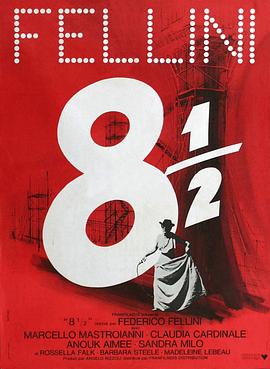
类型:剧情片
主演:马塞洛·马斯楚安尼 克劳迪娅·卡汀娜 阿努克·艾梅 桑德拉·米洛 罗塞
导演:费德里科·费里尼
语言:意大利语,法语,英语
年代:未知
简介:电影导演圭多(马塞洛·马斯楚安尼 Marcello Mastroianni 饰)在完成了一部影片之后感到筋疲力尽,他来到一处疗养地休息,同时开始构思下一部电影。他受到恶梦的困扰,精神不振,灵感也陷入停滞。他让情妇卡拉(桑德拉·米洛 Sandra Milo 饰)也来到疗养地和他作伴,但卡拉的到来反而增添了他的烦恼。此时,充满朝气的年轻女郎克劳迪娅(克劳迪娅·卡汀娜 Claudia Cardinale 饰)的出现,令圭多压抑的世界乍现出一抹亮色。然而随着圭多妻子路易莎(阿努克·艾梅 Anouk Aimée 饰)以及许多电影圈人士纷纷来到疗养地,圭多不堪忍受个人感情生活的混乱与电影拍摄的双重压力,他的精神危机愈演愈烈,梦境与幻觉不断侵入他的现实生活…… 本片荣获1964年奥斯卡最佳外语片和最佳服装设计(黑白片)两项大奖。

备注:已完结
类型:剧情片
主演:Adrian Cabral Daniel Oscar Casas Lu
导演:Gerard Marco
语言:西班牙语
年代:未知
简介:Alma is a young woman who, after repeated sentimental failures, begins to find new ways of living eroticism. Alma discovers the practice of BDSM as a way of self-knowledge and to overcome the mediocrity of their relationships.

备注:已完结
类型:喜剧片
主演:路易斯·扎赫拉 Mario·Marzo 奥斯卡·卡萨斯 安娜·贾拉 A
语言:西班牙语
年代:未知
简介:青年工程师埃里克(奥斯卡·卡萨斯 饰)在马德里卷入一场劫案后,人生骤变。为求脱身,他透过交友程式联络薇拉(安娜·哈拉 饰),用连篇谎话诱使她驾车共赴加利西亚逃亡之旅。这场始于仓促邂逅的同行,渐次化作充...
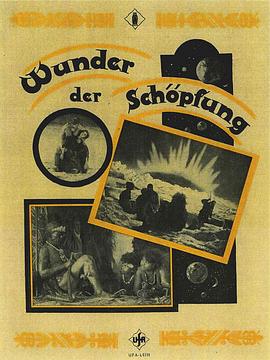
备注:已完结
类型:科幻片
主演:Margarete Sch?n Theodor Loos Paul B
语言:其它
年代:未知
简介:Wunder der Sch?pfung is an extraordinary, fascinating Kulturfilm trying to explain the whole human knowledge of the 1920s about the world and the universe. 15 special effects experts and 9 cameramen were involved in the production of this film which combines documentary scenes, historical documents, fiction elements, animation scenes and educational impact. It its beautifully colored, using tinting and toning in a very elaborated way. Some visual ideas in the sequences with a space shuttle visiting different planets in the universe seem to have to be the inspiration for Stanley Kubrick's 2001 A Space Odyssey. In the context of Germany's Kulturfilm phenomenon, Wunder der Sch?pfung was among the greatest achievements of the 1920s. The production was constructed, rehearsed, and shot over a period of two and a half years, under the supervision of Hanns Walter Kornblum. The idea to describe the universe and man's place in it well suited UFA's Grossfilm mentality, one year before the Metropolis catastrophe. Hundreds of skilled craftsmen participated in the project, building props and constructing scale models drawn by 15 special effects draughtsmen, while 9 cameramen in separate units worked on the historical, documentary, fiction, animation, and science-fiction sequences. Without star roles or even protagonists, the film's plot is crowded with meticulously structured and skillfully acted single scenes an artful mosaic of small vignettes. No less than four credited university professors ensured the factual background behind the scientific and historical events portrayed. The film's symbol of progress and the new scientific era is a spacecraft, travelling through the Milky Way, making all the planets and their inspiring worlds familiar to us, with the extravaganza of their distinctive features. The film's educational intentions, however, become steadily more obscure, humorous, or even campy as this popularization project proceeds. With the excuse of presenting the end of the world a not-so-new concept as a new, undeniably scientific truth, the film veers happily along a new path, displaying detailed apocalyptic scenes of the end of mankind. For today's audiences, this amazing film demonstrates how the universe was comprehended in the 1920s, and how that view was sold to contemporary audiences.