备注:已完结
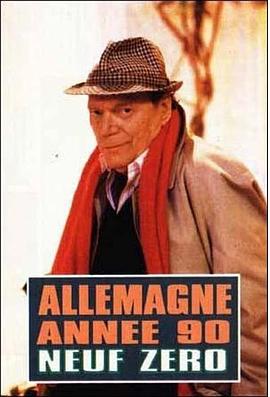
类型:剧情片
主演:埃迪·康斯坦丁 汉斯·齐施勒 克劳迪亚·米歇尔森 Nathalie K
导演:让-吕克·戈达尔
语言:法语
年代:未知
简介:Characterized by deconstructivism and philosophical references and by briefly exposing the good, bad, and ugly periods of the country's history, this post-modern film portrays the abstract need for guidance of Germany following the fall of the Berlin Wall.
备注:已完结
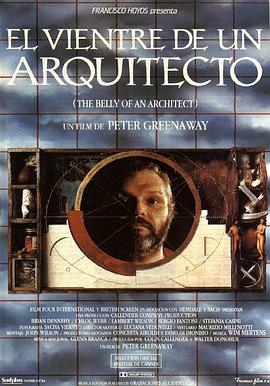
类型:剧情片
主演:布莱恩·丹内利 科洛·韦伯 朗贝尔·维尔森 赛尔乔·凡托尼 斯蒂芬妮娅
导演:彼得·格林纳威
语言:英语
年代:未知
简介: 彼得·格林纳威1987年作品,英国学院奖最佳编剧、最佳美术指导提名;戛纳参赛片。导演是画家出身,其作品的影像风格自然都是别具一格的色彩斑斓。 美国建筑师Stourley Kracklite和他已经怀孕的年轻妻子Louisa来到罗马组织一个纪念18世纪富于幻想力的法国建筑 师Etienne-Louis Boullée的展览。然而Kracklite却被腹疾所折磨,Louisa则与身为展览赞助者的潇洒的年轻建筑师Caspasian Speckler眉来眼去。电影有个特别的焦点,肚皮——建筑师生病的肚皮和妻子怀孕的肚皮,圆滚滚的形状直让人想起Boullée设计的那些圆顶建筑……
备注:已完结
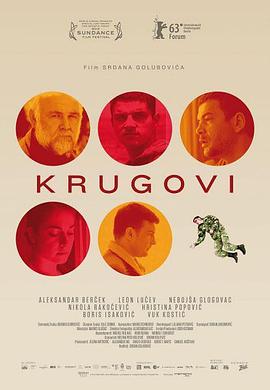
类型:剧情片
主演:亚力克斯桑德·贝奇科 莱昂·鲁塞夫 内博伊沙·格洛戈瓦茨 尼古拉·拉科
导演:斯尔丹·戈卢博维奇
语言:其它
年代:未知
简介:本片改编自真实事件,利用多线叙事的穿插,将三个时空的故事人物命运交织在一起。描述了波黑战争时期军人马尔克“意外”死亡的十二年后,伤痛依旧延绵不断地影响着每一位曾参与其中的加害者与被害者。
备注:已完结
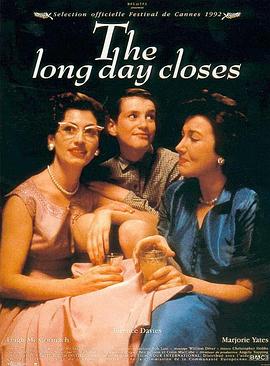
类型:剧情片
主演:玛乔丽·耶茨 Leigh McCormack Anthony Wats
导演:特伦斯·戴维斯
语言:英语
年代:未知
简介:镜头聚焦在一个名叫巴德(Leigh McCormack 饰)的男孩身上,巴德很早就失去了父亲,和母亲(Marjorie Yates 饰)以及哥哥一起过着相依为命的生活。整个童年时代在巴德的回忆里都笼罩在孤独和寂寞之中,在学校里,他一个人上课,一个人发呆,一个人回家,还要是不是的提防班上强壮的男生对他的威胁和嘲笑。 回家后,巴德也总是一个人待着,母亲建议他多和朋友们在一起玩,但她并不知道的是,巴德甚至都没有一个能真正称得上朋友的伙伴。巴德整日里将时间花在观察凝听这个世界和胡思乱想上,入夜,可怕的噩梦便会找上门来。就这样日复一日,巴德长大了,当再度回忆这段平凡而又独特的童年时,巴德会有怎样的感受呢?
备注:已完结
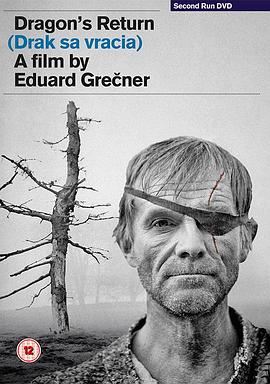
类型:剧情片
主演:拉多万·卢卡夫斯基 古斯塔夫·瓦拉赫 艾米丽娅·瓦萨约娃 威廉·波洛尼
导演:爱德华·格莱纳
语言:其它
年代:未知
简介:与Stefan Uher和Elo Havatta一样,Eduard Grecner也是60年代斯洛伐克新浪潮电影的缔造者之一。他的三部影片《一周七天》(1964)《尼绒月亮》(1965)和这部《徳拉克的回归》都是斯洛伐克新浪潮电影的代表作。这部叙事方法独特带有明显意识流风格的黑白影片甚至间接影响到了后来法国导演格里耶在捷克拍摄的两部影片《说谎的人》和《Eden and After》。 A special place in the development of feature films is reserved for Eduard Grecner, the creator of just one good film, Dragon Returns (Drak sa vracia, 1967), titled after the nickname of the lead character. After his initial work with Uher, Grecner made his mark as a proponent of the so-called intellectual film, the antithesis of the sociologically, or rather, socially critical film. Grecner's great role model was Alan Resnais, a young French filmmaker who sought to introduce Slovakia to the idea of film as a labyrinth in which meanings are created not by stories, but by complex configurations of dialogue, shots, and various layers of time, thus differentiating film from both literature and theater. In Dragon Returns―the story of a solitary hero who is needed by villagers living far in the mountains, but who is rejected by them at the same time because of his detachment―Grecner brought the tradition of lyricized prose to life through a whole series of formal aesthetic techniques. Alain Robbe-Grillet immediately developed this idea in the film shot in Bratislava The Man Who Lies (Slovak Muz, ktory luze; French title L'homme qui ment; 1968), and perfected it in Eden and After (Eden a potom, 1970).
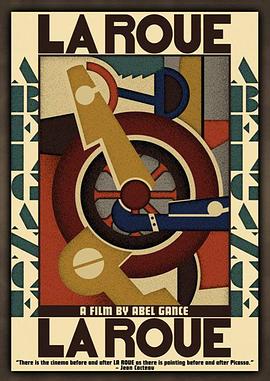
备注:已完结
类型:剧情片
主演:Séverin-Mars Ivy Close Gabriel de G
导演:阿贝尔·冈斯
语言:法语
年代:未知
简介:这是史诗片巨匠冈斯的早期作品,原版长达九个小时。 影片讲述一个类似现在电视肥皂剧的故事:铁路工程师从一次车祸中救回一个女孩,把她当作女儿来领养。不料他自己和儿子都对女孩产生好感。为了不让儿子占有她,遂把女孩嫁给了一个富人。但儿子和养女之间有着压制不住的爱情。儿子跟她丈夫发生争执,不幸死亡。老人把儿子的死归咎于养女,不愿再见到她。后来他眼睛瞎了,养女偷偷回来照料他,直至为他送终。 影片的革命性表现在如下方面:开场的火车事故蒙太奇采用快速剪辑,极具震撼力;平庸的剧情中增加了大量文学典故,丰富了内涵;摄影和剪辑均具有一定的形式感,如镜头的节奏跟音乐相吻合,画面中的机器被用作现代化的象征等,开启了“纯电影”的先河。片名指命运的轮回、欲望的轮回,由车轮形象来暗示。
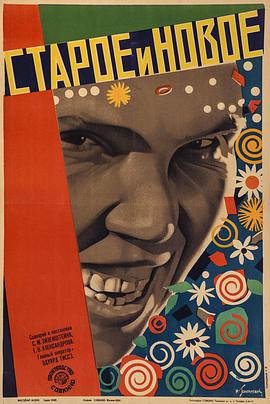
备注:已完结
类型:剧情片
主演:Marfa Lapkina M. Ivanin Konstantin
语言:其它
年代:未知
简介:Due to some common interests between German and Russian aristocracy ( the Russians even had aristocrats in their past not to mention they had an Empress called Catherine the Great, as great as this German count's heiresses… ), it is not strange that this Teutonic count has understood and even enjoyed Herr S. M. Eisenstein's Staroye I Novoye. It is not very usual that for the aristocracy to enjoy Bolshevist films full of proletarian demands that put private property at risk or as it happens in this case, a film about the Communist Party's policy on the subject of the collectivization of the Soviet agriculture. Normally this would be perfect gibberish for this German count, but thanks to Herr Eisenstein 's greatness and directorial talent, the hardships of the heroine of the film, Dame Marfa ( Dame Marfa Lapkina ) breached even the thick aristocratic Schloss walls. And that's one of the first remarkable aspects of this oeuvre; in spite of the political subject of the film, the powerful images and lyricism ( astonishing and beautiful shot compositions ), especially during the first part of the movie, preserve the artistic merits entirely while serving a propaganda purpose. The second remarkable aspect of the film is the dichotomy between the old and new, the fight to improve the lot of Dame Marfa and her countrymen. There are many discussions because it is not easy even in Russia to change ancient and conservative customs. There are superb metaphors and social criticism ( illiteracy, bureaucracy, religiosity ) which perfectly fit the film, and last but not least, Staroye I Novoye, is a kind of archaic documentary about ancient customs established deeply in old Russia, those ones that our heroine must fight against. And there is also a lot about agriculture ( very enlightening for this German count), especially about harvesting and how to fatten Russian cows or pigs ( literally, no pun here… ). Herr Eisenstein had to bear during the last era of his film career, unbelievable censorship and mutilation of his work, as happens with Staroye I Novoye. The film was reedited and Eisenstein accused of sympathizing with Trostky's policies but fortunately the film was restored and showed by the German-frenchified t.v. channel ARTE, natürlich!, including an evocative music score by Herr Taras Bujewski, that fits superbly Herr Eisenstein primal artistic interests. And now, if you'll allow me, I must temporarily take my leave because this German Count must buy a tractor for one of his Teutonic heiress.