备注:已完结
类型:剧情片
主演:奥古斯特·迪赫 亚历山大·费林 Sven Gerhardt Phuon
语言:其它
年代:未知
简介: Ein überzeugender wie großformatiger Ost-West-Stoff, der die großen Themenkomplexe Stasi-, Republikflucht und Loyalität unter Freunden in einer packenden Liebesgeschichte erzählt.

备注:已完结
类型:剧情片
主演:Liron Ben-Shlush Liat Goren Varda B
导演:阿萨夫·考曼
语言:其它
年代:未知
简介:27岁的Rachel一个人照顾着24岁的智障妹妹Gabby。Rachel工作的时候不得不把Gabby独自留在家中,被社工发现后,Rachel不得不奖Gabby送往日托中心,然而这大大改变了Rachel的生活,因为这是她第一次与别人共同分享对亲爱妹妹的教养,妹妹的缺席令她的日常生活产生大片的空白与崩溃。另一方面,Zohar成为撕扯她与妹妹之间纽带的另一道伤痕,Rachel无法与除了她和妹妹的其他人发展出正常的亲密关系,不得不迫使他们陷入一个扭曲的三人关系,爱的界限也饱受蹂躏……

备注:已完结
类型:恐怖片
主演:迪娜·霍瓦索瓦 Milan Bahúl Joachim Kemmer
导演:朱拉·亚库比斯克
语言:其它
年代:未知
简介:This is a very bizarre fairy tale. It commences with a wedding and singing and dancing but nearly the whole village is wiped out by wolves. The bride gives birth to a daughter several months later and promises her to the boy who saved her. Ten years later there is another disruption when Some circus folk come by and the villagers trick them into staying. Tragedy ensues... This has a strange cast, dwarfs, giants, priests and occasional intrusions from the modern world in the form of the police and a wonderer who returns bringing to the village the good news of Nostradamus. It is a long film but it honestly does not drag. and if you get bored of the plot you can always look at the sumptuous Countryside.

备注:已完结
类型:剧情片
主演:Tomasz Hudziec 特蕾莎·玛索丝嘉 马雷克·孔德拉特 泽兹
导演:沃依切赫·马尔切夫斯基
语言:其它
年代:未知
简介: 在1950年初成立,在斯大林的个人崇拜。故事开始在省城。 tomek的父亲,一个家庭军队的前成员被逮捕,所以离开母亲抚养两个孩子单独的任务。楼上的邻居自杀,当她的丈夫也被逮捕并运到战俘营。这是冬天,让孩子保持在学校他们的手,温暖的手打败自己。在学校教师的平均,狭隘的理想主义者,当他们问孩子们去教堂星期日,全班站起来打败宣传课的目的。 tomek被送到培训学校在夏季。在那里,他把他的头抽水思想吸收,当他的父亲从监狱获释,他发现另一个男孩他已经离开了。 by Google translate
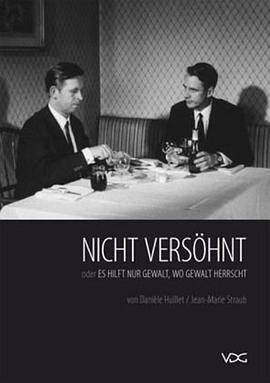
备注:已完结
类型:剧情片
主演:Heinrich Hargesheimer Carlheinz Har
语言:其它
年代:未知
简介:The subtitle of Jean-Marie Straub and Danièle Huillet’s first feature, from 1965, “Only Violence Helps Where Violence Reigns,” suggests the fierce political program evoked by their rigorous aesthetic. The pretext of the film, set in Cologne, is Heinrich B?ll’s novel “Billiards at Half Past Nine,” which they strip down to a handful of stark events and film with a confrontational angularity akin to Bartók’s music that adorns the soundtrack. The subtlest of cues accompany the story’s complex flashbacks. The middle-aged Robert F?hmel tells a young hotel bellhop of persecutions under the Third Reich; his elderly father, Heinrich, an architect famed for a local abbey, recalls the militarism of the First World War, when his wife, Johanna, incurred trouble for insulting the Kaiser. A third-generation F?hmel is considering architecture, just as the exiled brother of Robert’s late wife, returns, only to be met by their former torturer, now a West German official taking part in a celebratory parade of war veterans. Straub and Huillet make the layers of history live in the present tense, which they judge severely. The tamped-down acting and the spare, tense visual rhetoric suggest a state of moral crisis as well as the response—as much in style as in substance—that it demands.