备注:已完结
类型:动漫
主演:H·乔恩·本杰明 克里斯汀·沙尔 凯文·克莱恩 布莱恩·加塔斯 约翰·
导演:Ian Hamilton Mauricio Pardo
语言:英语
年代:未知
简介:“鲍勃汉堡店”的隔壁是一家带火葬场的殡仪馆;街道尽头是旅游码头;几个街区外是市属中学,Bob和Linda的孩子们就在那里读书;街对面是Bob的竞争对手JimmyPesto开设的披萨饼店,匹萨对汉堡的大战每天都在上演。鲍伯决定为早午餐和吉米.皮茨竞争,Belcher的孩子们帮助Fischoeder先生的弟弟躲避他。Bob Belcher在妻子和三个孩子的帮助下经营着家族餐馆「鲍勃汉堡店」。这是一家开了三代的小餐馆,规模不大,但是固定客人不少。Bob对汉堡、调味品和肋肉了如指掌,但是对客户服务和商业管理一窍不通。尽管他的柜台总是油腻腻的,店里总是声音嘈杂,食物偶尔质量不好,Bob坚信自己的汉堡「独具特色」,能够开创一个品牌。 Bob Belcher(H. Jon Benjamin配音)在妻子和三个孩子的帮助下经营着家族餐馆「鲍勃汉堡店」。这是一家开了三代的小餐馆,规模不大,但是固定客人不少。Bob对汉堡、调味品和肋肉了如指掌,但是对客户服务和商业管理一窍不通。尽管他的柜台总是油腻腻的,店里总是声音嘈杂,食物偶尔质量不好,Bob坚信自己的汉堡「独具特色」,能够开创一个品牌。尽管生意不忙,但Bob的家人总是到店里来帮忙。不管发生什么情况,Bob的妻子Linda(John Roberts配音)一直支持丈夫实现理想。大女儿Tina(Dan Mintz配音)只有13岁,满脑子都是不切实际的浪漫,没有一点社交经验。排行老二的孩子Gene(Eugene Mirman配音)很有音乐潜力,他在店里传递的笑话远比汉堡包多。年纪最轻的Louis(Kristen Schaal扮演)对老爸的汉堡生意最热心

备注:已完结
类型:欧美剧
主演:尤金·列维 Eugene Levy 凯瑟琳·欧哈拉 Dan Levy
语言:英语
年代:未知
简介: 故事描述一名开音像店的亿万富翁Johnny Rose(Eugene Levy)和他的肥皂剧明星妻子Moira(Catherine O’Hara)、嬉皮士儿子David(Daniel Levy)、交际花女儿Alexis(Annie Murphy)在一夜之间破产。这家人不得不离开已经习惯了的奢华生活,回到乡下去「从零开始」。好在他们还有一点私人领地:当年他们抱着好玩的心态在最偏僻的角落里买下一座几乎没有人烟的小镇(镇名即本剧标题「施米特湾」),现在这里成了他们仅存的落脚点。他们必须尽快适应新的贫穷生活,找到家庭的真谛……但这个穷乡僻壤的地方让他们感觉「限制」太多!
备注:已完结
类型:剧情片
主演:Heinrich Hargesheimer Carlheinz Har
语言:其它
年代:未知
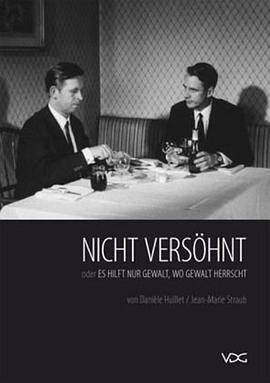
简介:The subtitle of Jean-Marie Straub and Danièle Huillet’s first feature, from 1965, “Only Violence Helps Where Violence Reigns,” suggests the fierce political program evoked by their rigorous aesthetic. The pretext of the film, set in Cologne, is Heinrich B?ll’s novel “Billiards at Half Past Nine,” which they strip down to a handful of stark events and film with a confrontational angularity akin to Bartók’s music that adorns the soundtrack. The subtlest of cues accompany the story’s complex flashbacks. The middle-aged Robert F?hmel tells a young hotel bellhop of persecutions under the Third Reich; his elderly father, Heinrich, an architect famed for a local abbey, recalls the militarism of the First World War, when his wife, Johanna, incurred trouble for insulting the Kaiser. A third-generation F?hmel is considering architecture, just as the exiled brother of Robert’s late wife, returns, only to be met by their former torturer, now a West German official taking part in a celebratory parade of war veterans. Straub and Huillet make the layers of history live in the present tense, which they judge severely. The tamped-down acting and the spare, tense visual rhetoric suggest a state of moral crisis as well as the response—as much in style as in substance—that it demands.