备注:已完结
类型:剧情片
主演:埃娃·亨宁 比耶·马尔姆斯滕 比吉特·滕罗特 哈塞·埃克曼 米米·内尔
导演:英格玛·伯格曼
语言:其它
年代:未知
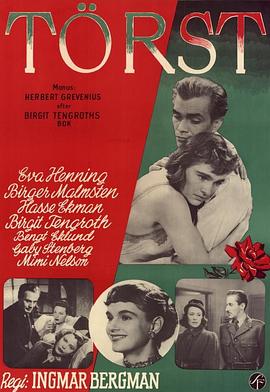
简介:在1946年,神情不安的芭蕾舞演员Rut陪伴他的丈夫Bertil结束了环意大利的学术访问,回到了瑞典。他们在巴塞尔(瑞士西北部城市,在莱茵河畔)的旅店房间里和火车上发生了争吵,他们把食物扔给了窗外饥饿的德国难民。无意间,他们听到了几个瑞典牧师关于婚姻的几句妙语,最终他们两人重修和好…… 在电影主题方面他延续了伯格曼早期电影当中性别对抗以及对婚姻关系的质疑。Rut和Raoul交往的失败以及所导致的不育是剧中关系网的死结,而她后来和丈夫Bertil的结合又产生了Bertil原来的情人Viola的悲剧,这所有一切扭结在一起就像漩涡吞没了生活中的激情。当时伯格曼和她第二任妻子Ellen闹离婚,本片可看作是伯格曼对婚姻的自况。 还有很重要的一点是,《三》是伯格曼早期电影的新尝试,这部电影并不是由故事情节进行推动,而是用人物的心理状态作为电影内部节奏起承转合的离合器,密闭的车厢为人物的情绪主导发挥提供了大舞台。这为他后来更深入的探索奠定了基础。
备注:已完结
类型:剧情片
主演:西涅·哈索 阿尔夫·切森 乌尔夫·帕姆 约斯塔·塞德隆德 云韦·诺德瓦
导演:英格玛·伯格曼
语言:其它
年代:未知
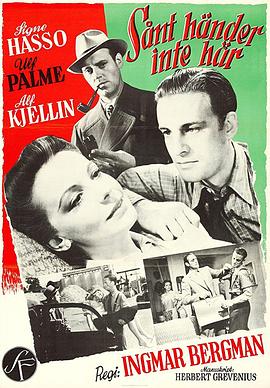
简介:Atka Natas is a secret agent from the oppressive regime of Liquidatzia. He visits his estranged wife Vera, a chemist who is involved with a group of exiles trying to smuggle their compatriots out of Liquidatzia. Almkvist, an honest local policeman and former lover of Vera's, contacts her while investigating the death of one of the refugees. Natas has a list of agents operating in the host country and wants to sell them to the Americans. However before he can do so, Vera tries to kill him, after an argument about getting her parents out of Liquidatzia.
备注:已完结
类型:恐怖片
主演:西格妮·韦弗 本·金斯利 斯图亚特·维尔森 Krystia Mova
导演:罗曼·波兰斯基
语言:英语
年代:未知
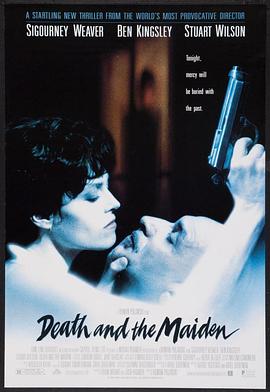
简介:波利娜(西格妮·韦弗 Sigourney Weaver饰)曾经被一个男子施暴,被蒙着眼的她一直不知道罪人是谁,她的性格也变得神经兮兮。她的丈夫杰拉多(斯图尔特·威尔逊 Stuart Wilson饰)当选委员会主席后回到家中,就发现波利娜有着一些比平时更怪异的举动。她甚至把前来拜访的邻居米兰达(本·金斯利 Ben Kingsley饰)的车子推落山崖,凭着米兰达车里的磁带“死亡和处女”,以及米兰达的气味和呼吸,波利娜坚信,米兰达就是当时对她施暴的元凶。 她发了疯似的把米兰达绑在房间,要和丈夫一起审判这个罪犯。然而,米兰达分明有着确凿的不在场证据,这令丈夫也难以相信波利娜的认定。这一切是波利娜的幻觉,还是确有其事,这场审判会令真相一一浮出水面。
备注:已完结
类型:剧情片
主演:Heinrich Hargesheimer Carlheinz Har
语言:其它
年代:未知
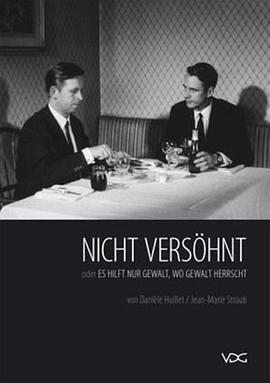
简介:The subtitle of Jean-Marie Straub and Danièle Huillet’s first feature, from 1965, “Only Violence Helps Where Violence Reigns,” suggests the fierce political program evoked by their rigorous aesthetic. The pretext of the film, set in Cologne, is Heinrich B?ll’s novel “Billiards at Half Past Nine,” which they strip down to a handful of stark events and film with a confrontational angularity akin to Bartók’s music that adorns the soundtrack. The subtlest of cues accompany the story’s complex flashbacks. The middle-aged Robert F?hmel tells a young hotel bellhop of persecutions under the Third Reich; his elderly father, Heinrich, an architect famed for a local abbey, recalls the militarism of the First World War, when his wife, Johanna, incurred trouble for insulting the Kaiser. A third-generation F?hmel is considering architecture, just as the exiled brother of Robert’s late wife, returns, only to be met by their former torturer, now a West German official taking part in a celebratory parade of war veterans. Straub and Huillet make the layers of history live in the present tense, which they judge severely. The tamped-down acting and the spare, tense visual rhetoric suggest a state of moral crisis as well as the response—as much in style as in substance—that it demands.