备注:已完结
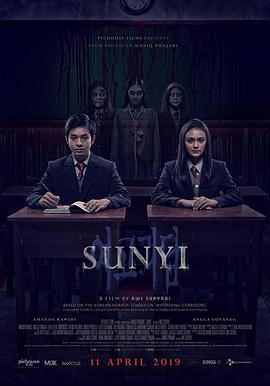
类型:恐怖片
主演:April Love Maria de Jesus Castellon
导演:Max Dementor
语言:英语
年代:未知
简介: 一个在信仰与个人生活之间的冲突中挣扎的妇女必须捍卫自己,以抵御一个致力于摧毁她的恶魔修女的精神
备注:已完结
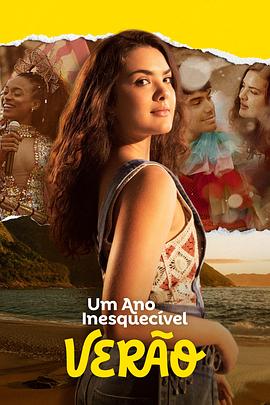
类型:剧情片
主演:Karol Araujo Zezeh Barbosa Jonathan
语言:葡萄牙语
年代:未知
简介:一个讨厌狂欢节的年轻乡村女孩去了里约热内卢,想获得巴西最著名设计师的支持,以前往梦寐以求的巴黎学习时装。她潜入了其中一所最大的桑巴舞学校的缝纫团队,她将意识到虽然狂欢节只有一周,但爱情故事可以改变她的一生。
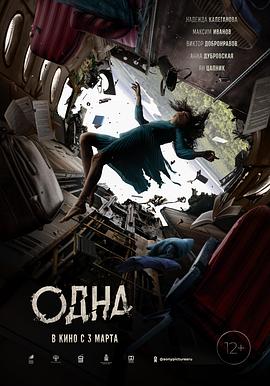
备注:已完结
类型:剧情片
主演:娜杰日达·卡列加诺娃 Maksim Ivanov-Marenin 维克
导演:德米特里·苏沃洛夫
语言:俄语
年代:未知
简介:1981年8月24日,一架图-16K轰炸机与一架从阿穆尔河畔共青城飞往布拉戈维申斯克的安-24客机在符拉迪沃斯托克上空相撞,乘客中20岁的拉里萨·萨维茨卡娅是唯一的幸存者。本片以这一真实事件为原型,拉里萨担任了影片的顾问。观众通过影片,身临其境地以幸存者的视角眼睁睁看着飞机在4500多米的高空解体,跟着拉里萨一起随着残骸落到远东针叶树林里,相伴身受重伤、独自在森林中熬过两天的她,最终等到救援的惊心动魄的完整过程。
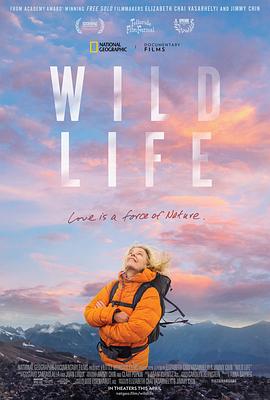
备注:已完结
类型:记录片
主演:克里斯·汤普金斯 道格拉斯·汤普金斯 金国威 伊冯·乔伊纳德 Mich
导演:金国威 伊丽莎白·柴·瓦沙瑞莉
语言:英语
年代:未知
简介: "由获得奥斯卡奖项的电影制作人Chai Vasarhelyi和Jimmy Chin/金国威拍摄,Wild Life跟随环保主义者,Kristine Tompkins,展开了一个史诗般,持续几十年的爱情故事,野外,这是她投入毕生精力保护的地貌。历史等待被探索。" "影片也讲述了Kris和Doug Tompkins之间的爱情故事。Doug Tompkins创立了知名的户外运动品牌,north side,并于1989年离开商业世界,专注于环境保护。Kris是另外一间声名显赫的户外产品公司,Patagonia的首席执行官,而且,她还是极限运动爱好者。1993年,二人结婚。他们一同经营自己的生活,深爱彼此,热爱自然。一起,他们成立了一间非盈利机构,Saving Tompkins,他们通过机构购买了智利和阿根廷之间8,100平方公里/810,000公顷的野外区域,二人也成为世界上面积最大的私人土地拥有者之一。Tompkins夫妇开展的保护和生物多样性发展活动延伸至50,000平方公里/5,000,000公顷区域,新千年伊始,二人开始把大部分土地捐赠给智利政府,时至今日,这仍然是历史上面积最大的私人土地捐赠。Wild Life一片按照时间顺序记录了他们进行捐赠的过程。"

备注:已完结
类型:恐怖片
主演:Robyn Alomar 玛丽·沃尔什 Nadine Bhabha 马
语言:英语
年代:未知
简介: It follows a college student as she boards a party train for Halloween, and ends up fighting for her life when a mysterious assailant begins killing the people one-by-one.
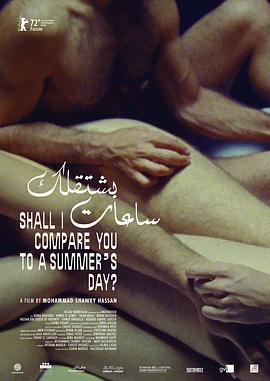
备注:已完结
类型:剧情片
主演:Ahmed Awadalla Nadim Bahsoun Hassan
导演:穆罕默德·肖基·哈桑
语言:其它
年代:未知
简介: A glance leads to a smile, a smile to a rendezvous: every love story begins the same way. These narratives are stored in songs and poems and live on beyond their inevitable endings, as Shakespeare’s titular sonnet 18 also suggests. In Mohammad Shawky Hassan’s metafictional essay, a female narrator who wishes to tell the story of a love between two men encounters a polyamorous chorus of lovers, and this oft-told tale is multiplied. In Club Scheherazade, there is no protagonist, and every song has various versions. Heteronormative dramaturgy is challenged polyphonically and across a range of media: lovers ask each other about threesomes, Grindr contacts and past dates. Pop clichés are twisted, heartache permeates the men’s singing, and poems by Wadih Saadeh are read out while a lover’s dirty laundry is aired. The narrator mischievously tries for a happy ending as her characters exit the story. “If pain could be forgotten through words,” we hear at one point, “no lover would ever have to walk away wounded.”