
备注:已完结
类型:恐怖片
主演:Lance Henriksen Claire Stansfield J
导演:Joe Gayton
语言:英语
年代:未知
简介: A top secret experiment intended to produce a superhuman has gone terribly wrong. Now the creators, trapped in a remote desert outpost, are being pursued ruthlessly by their creation. With the door sealed from within, there is no way out.

备注:已完结
类型:记录片
主演:Rev Rucifer Barbara Ann Duffy Vera
导演:未知
语言:英语
年代:未知
简介: 《性生活》是一部官能現實系列,窺探式紀錄片,圍繞「有趣的性和色情體驗」。 美高梅的無劇本與另類電視台和Orion電視台總裁,巴里楫i茲尼克(Barry Poznick), 分享了他對該節目的熱情,他說:「與電影講故事者合作,從關門的背後帶給觀眾親密而 挑釁的活動,擴大了美高梅電視台獨家節目的範圍 吸引全世界的觀眾。」 該節目的第一季於2019年6月14日在Epix上首映,廣受好評。 第二季亦推出兩集,引起熱 議。
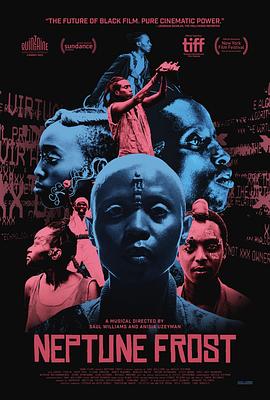
备注:已完结
类型:科幻片
主演:Cheryl Isheja Elvis Ngabo Diogène N
语言:其它
年代:未知
简介: 该片讲述一位双性的非洲黑客与一名钽铁矿石矿工联合起来,制作了虚拟世界的奇观。是埃兹拉·米勒与索尔·威廉姆斯共同创建的MartyrLoserKin制片公司首个项目。 该公司秉承米勒和威廉姆斯的创新精神和艺术精神,旨在“创造并扩散拆除传统电影意识形态框架的作品,并协同将更多诗意,古怪,探索,无政府,多样化,颠覆性,非二进制,原住民,环境,生态和神秘意识的内容,将与我们所处的时代以及试图限制它们的力量有关。”
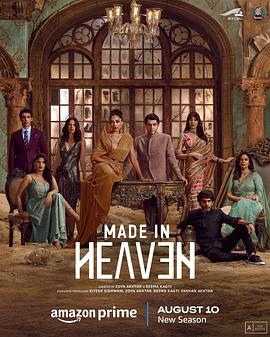
备注:已完结
类型:大陆剧
主演:阿见·马瑟 索比塔·杜里帕拉 吉姆·萨伯 卡琪·柯切林 沙沙恩·阿罗拉
导演:卓娅·阿赫塔尔 Nitya Mehra 阿兰克里塔·什里瓦斯塔瓦 尼拉杰·加万 里马·卡蒂 Neha Lohia
语言:印地语,英语
年代:未知
简介:《天堂制造》记录了德里两位婚礼策划人塔拉和卡兰的生活。印度是新与旧的有力结合。一场盛大的印度婚礼揭示了许多秘密和谎言,传统与现代的愿望相互碰撞。当两人在包办婚姻、嫁妆交易和处女测试中穿行时,上流社会被认为是自由的结构被拆散了。
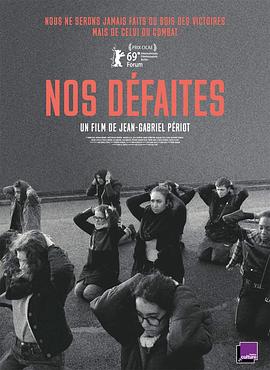
备注:已完结
类型:记录片
主演:Swann Agha Natasha Andraos Ghaïs Be
导演:让-加布瑞·贝里奥
语言:法语
年代:未知
简介: 2018年5月和6月,Jean Gabriel P_Riot与位于Ivry Sur Seine的一所高中的10名电影班学生合作,开展了一项将电影与政治结合起来的项目。学生们在摄像机前和摄像机后工作,重新布置罢工、抵抗和劳资纠纷的场景,这些电影可以追溯到20世纪60年代末到70年代末,包括让-卢克-戈达尔和阿兰-坦纳的电影。nos d_faites汇集了调查结果,并增加了采访,在采访中,导演询问学生他们刚刚表演的场景,关于“阶级”、“工会”和“政治参与”等概念,以及更广泛的社会背景。这是一个简单,但尖锐的设置,让观众一瞥年轻一代如何看待政治和过去的政治电影。这部影片还记录了导演试图激怒学生的企图。在导演和学生似乎处于平等地位的遭遇中,基于从未见过的导演更多类似于老师的提问,以及此时此刻对革命的思考:起义的表现反映了同样的情况。这会导致一个真实的发生吗? In May and June 2018, Jean-Gabriel Périot collaborated with ten students in a film class at a high school in Ivry-sur-Seine on a project that unites cinema with politics. The students worked both in front of and behind the camera, restaging scenes of strikes, resistance, and labour disputes from films dating from the late 1960s to the late 1970s, including ones by Jean-Luc Godard and Alain Tanner. Nos défaites assembles the results, and adds interviews in which the director queries the students about the scenes they’ve just acted in, about such concepts as “class,” “labour union,” and “political engagement,” about wider social contexts. It’s a simple, yet trenchant setup, affording viewers a glimpse of how a younger generation sees politics and the political cinema of the past. The film also documents the director’s attempts to stir up the students. The conversations vary between encounters in which director and students seem on an equal footing, based on more teacher-like questioning by the never-visible director, and contemplations of revolution in the here and now: the performance of an uprising follows reflection upon the same. Could this lead to one happening for real? 回到1968年的电影时代,继续对重放从过去跳出来的电影节选的年轻人进行今天的采访,我们的失败描绘了我们当前与政治的关系。我们的失败,还是我们有足够的力量来面对今天的混乱? By going back into the cinema of the 1968 era and going forward with present-day interviews of young people who replay excerpts of film s jumping out from the past, Our Defeats draw the portrait of our current relations with politics. Our Defeats, or do we keep enough forces to confront ourselves with the chaos of today?