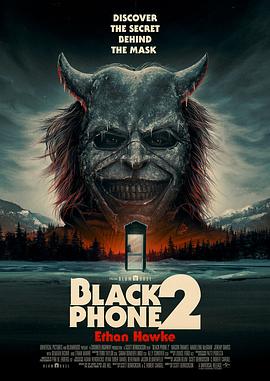
备注:已完结
类型:恐怖片
主演:伊桑·霍克 梅森·泰晤士 玛德琳·麦格劳 德米安·比齐尔 米格尔·卡萨
导演:斯科特·德瑞克森
语言:英语
年代:未知
简介: 四年前,13岁的芬尼杀死绑架他的凶手并成功逃脱,成为“掳童怪”事件中唯一的幸存者。但真正的邪恶能够超越死亡…而电话铃声又再度响起。“掳童怪”为了向芬尼报复,从坟墓中爬出,将魔掌伸向芬尼的妹妹葛温。现在已经17岁的芬尼仍然无法摆脱当年绑架事件带来的阴影,坚强倔犟的葛温也已经15岁了,她开始在梦中接到暗黑电话的来电,并且看见令人不安的幻象:三个男孩在参加名为阿尔卑湖的冬令营的时候被某个神秘的存在悄悄跟踪。为了揭开谜团,结束她和她哥哥承受的折磨,葛温说服芬尼在一场冬季暴风雪中前往那座营地。她在那里揭开了“掳童怪”与他们家族历史之间惊人的交集。于是她和芬尼必须共同面对这个死后力量变得更强大、对他们来说也远比他们的想像更加重要的杀手。
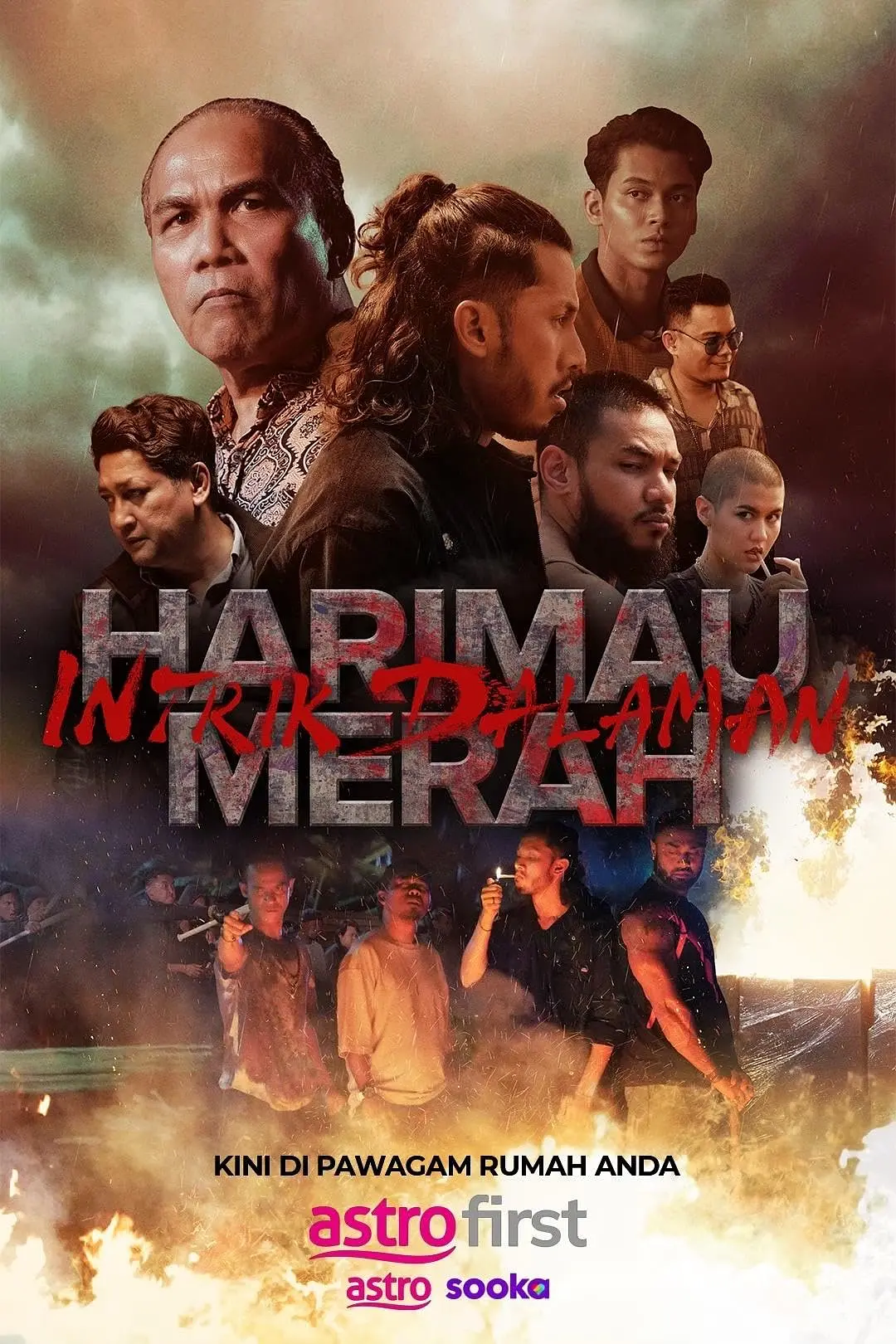
备注:已完结
类型:动作片
主演:卢基曼·哈菲斯 Shaharuddin Thamby Ammar Al
导演:Silver Chung
语言:其它
年代:未知
简介:在犯罪集团卧底的一名警察迫切地想要离开,却被迫调查帮派老大被残忍谋杀的真相。
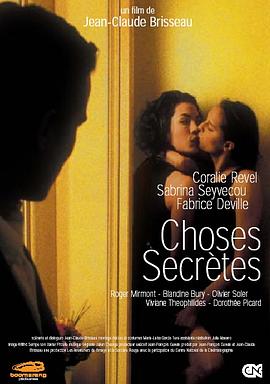
备注:已完结
类型:艺术片
主演:布朗迪娜·比里 Fabrice Deville Sabrina Sey
导演:让-克洛德·布里索
语言:法语
年代:未知
简介: 曾经,桑德琳(Sabrina Seyvecou 饰)和娜塔莉(Coralie Revel 饰)一样,对繁华的大都市纽约充满了美好的幻想,以为能够在那里获得他们梦寐以求的全新生活,然而,如今残酷而苍白的现实让两人知道,机会属于幸运的人,而那幸运的人,显然不是她们。 为了生存,桑德琳和娜塔莉只得利用起了她们最原始,但也是最有力的武器——美色,这即能给自己带来利益,又能服务他人,何乐而不为呢?一次偶然中,桑德琳和娜塔莉有幸进入了一家大公司就职,一个名叫克里斯托弗(Fabrice Deville 饰)的男人吸引了两人的注意,他是老板的儿子,如此多金又英俊的男人近在眼前,两个女孩开始打起了吊金龟婿的主意。
备注:已完结
类型:记录片
主演:Abu Badr Umm Badr Raouf Dabbas
导演:布莱恩·希尔 本·刘易斯 陈为军 亚历克斯·吉布尼 Hugo Berkeley Osvalde Lewat Bosse Lindquist Mona Eldaief 耶菡·妮珍儿 Christoffer Guldbrandsen
语言:英语
年代:未知
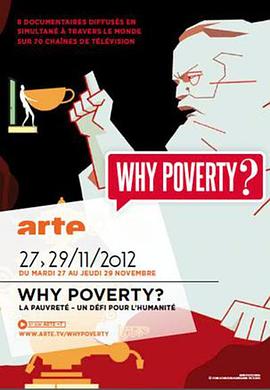
简介: 贫富不均对社会有什么影响?穷人真能掌握自己的未来?国际非营利组织STEPS INTERNATIONAL 所推动的《为什么贫穷?》(Why Poverty?)跨媒体计划,参与协同制作工作,与全球同步播出一系列探讨21世纪贫穷问题的纪录片。 《为什么贫穷?》是由总部位于丹麦的国际非营利组织STEPS INTERNATIONAL推动的非商业计划。Steps曾在2007年推动过《为什么要民主?》(Why Democracy?)。而《为什么贫穷?》即以此为基础,希望用影片刺激大众讨论贫穷问题;计划共同发起人还有英国广播公司(BBC)和丹麦广播公司(DR),这两家电视台也是本计划的主要合作伙伴和推动者。 这计划邀请了来自世界各地的纪录片导演,以“为什么贫穷”为共同题目,拍摄了每集一小时共八集的纪录片,让世界共同思考贫穷问题,探讨全球10亿赤贫人口的过去与未来。本系列纪录片于2012年11月起全球播放,台湾PTS与英国BBC、美国PBS、日本NHK、香港RTHK等在内的70余家电视台均加入联合播出,估计观众总数超过 5 亿人。 第1集 Poor Us: An Animated History of Poverty / 当我们穷在一起:动画贫穷史 第2集 Welcome to the World / 人之初 性本穷 第3集 Park Avenue: Money, Power and the American Dream / 有钱有庇护:金钱、权力和美国梦 第4集 Land Rush / 耕者无其田 第5集 Give Us the Money / 摇滚救贫穷 第6集 Stealing Africa / 生财有“盗” 第7集 Solar Mamas / 太阳能妈妈 第8集 Education, Education / 出路
备注:已完结
类型:记录片
主演:David Nutt Harvey Milkman Raphael G
语言:德语
年代:未知
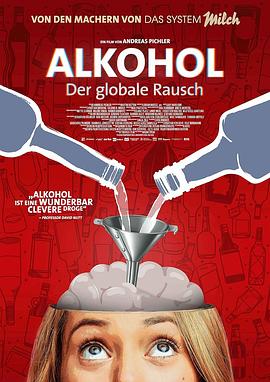
简介: Alcohol: No substance in the world seems so familiar to us and is so incredibly diverse in its effect. Alcohol is available everywhere and this particular molecule has the power to affect all 200 billion neurons of our human brain in completely different ways. But hardly anyone calls alcohol a drug despite its psychoactive and cell-destroying effect. Why do we tolerate the death of three million people every year? Have we turned a blind eye to the dangers and risks for thousands of years? What role does the powerful alcohol industry play with an annual turnover of 1.2 trillion euros in this on-going concealment? The author, who himself enjoys having a drink, looks into the question why we drink at all, what alcohol does to us and to what extent the alcohol industry influences society and politics. He travels around the world from Germany via England to Nigeria to detect aggressive trading practices of the global alcohol industry seeking growth in new markets at all costs. He also visits Iceland, which successfully made the turnaround: Where 20 years ago hordes of drunks roamed the streets, young people today master their need for relaxation and life stimulants without alcohol. The film has no intention to point a moral finger but nevertheless will significantly change the drinking habits of the viewer.