备注:已完结
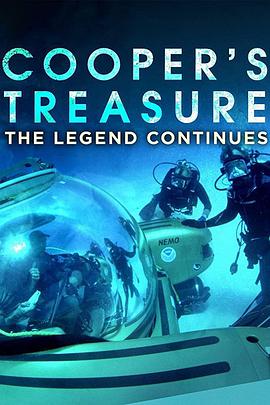
类型:综艺
主演:Darrell Miklos 达雷尔·米克洛斯 Roger Miklo
导演:Phil Lott 菲尔·洛特 Ari Mark 阿里·马克
语言:英语
年代:未知
简介: 寻宝者达雷尔·米克洛斯(Darrell Miklos)打算寻找宇航员戈登·库珀(Gordon Cooper)在1963年从太空中发现的沉船。 戈登·库珀是20世纪60年代美国宇航局的宇航员,在执行任务时,他在加勒比海沿岸拍摄了一只饥饿的“变形虫”。库珀认为,它们一定是沉没的船只,包括克里斯托弗·哥伦布失踪的舰队,而这些照片将成为一张地图,用来发现现在躺在海底的丢失的宝藏。虽然库珀去世了,但他把他长期保守的秘密和藏宝图留给了一位密友。本系列讲述的是一群寻宝者潜入库珀50年前从太空拍摄到的地点,希望发掘海洋的秘密。
备注:已完结
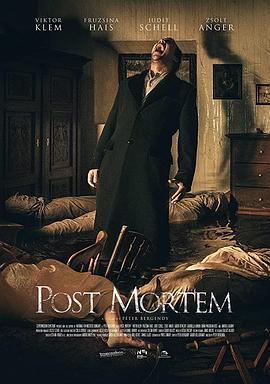
类型:恐怖片
主演:Viktor Klem Fruzsina Hais 朱迪特·谢尔 An
语言:其它
年代:未知
简介: 1918年严冬,第一次世界大战和西班牙流感使得无数鬼魂漂泊于世间。从事遗体摄影的年轻人托马斯来到匈牙利的一座小村庄,目睹了一系列奇怪的超自然现象。他决定留下来调查鬼魂的意图,试着寻找摆脱它们的方法。十岁的孤儿安娜伴随他一起探险,在鬼魂愤怒的狂欢下度过重重险境。本片入围第36届华沙国际电影节国际竞赛单元。
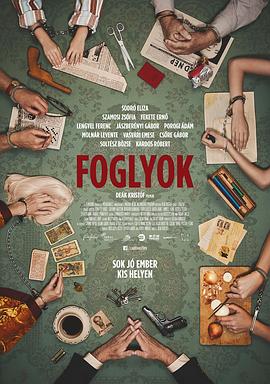
备注:已完结
类型:剧情片
主演:Eliza Sodró 索菲娅·绍莫希 Ern? Fekete 列文特
导演:克里斯托弗·迪克
语言:其它
年代:未知
简介:When Fuchs starts his new job as a teacher in a prison school, replacing the old and unconventional teacher Berger against her will, he is forced to confront his biggest fear, triggered by the mysterious, withdrawn inmate Samira.
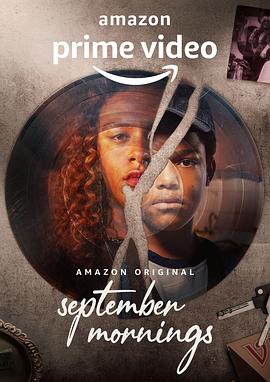
备注:已完结
类型:海外剧
主演:托马斯·阿基诺 Gero Camilo Clodd Dias Lini
导演:Luis Pinheiro Dainara Toffoli
语言:其它
年代:未知
简介:一个跨性别女性的旅程,她离开家乡,不妥协她的目标,成为一个自由和独立的女性。
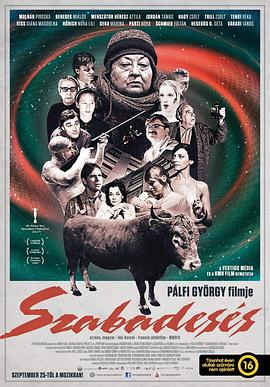
备注:已完结
类型:喜剧片
主演:皮洛斯卡·莫尔纳 Miklós Benedek 塔马斯·约旦 Csab
导演:乔治·巴勒菲
语言:其它
年代:未知
简介: 自殺不成的老婦人,屢次從頂樓一躍而下卻無法如願以償,只好再次跛腳步上公寓頂樓。每經過一層樓,便經過一段光怪陸離。七層樓,七種人生樣貌,詭異至極、毫無邏輯,以黑色幽默之姿一窺當代生活,笑看人性的虛偽及庸俗,笑到最後卻忍不住心底發毛。 匈牙利導演喬治帕爾菲二○○二年初試啼聲,便以處女作《田園風光》一炮而紅。其後的《百年癲狂》更顯瘋狂不羈,在坎城引發熱議。擅於揉合奇想與創意,以魔幻寫實著稱的喬治帕爾菲,新作《公寓瘋光》影像同樣奇幻詭譎,戲劇調度與剪輯美學更貼近夢境囈語。從喜劇、科幻到神話,從歡笑、驚悚到恐懼,在風格迥異的七部短片裡,導演也展現其對不同類型的遊刃有餘。
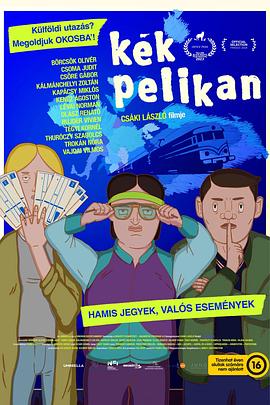
备注:已完结
类型:记录片
主演:Vivien Rujder 诺拉·特罗坎 Szabolcs Thuró
导演:拉兹洛·奇基
语言:其它
年代:未知
简介:What good is freedom if you can’t afford it? As the Berlin Wall tumbled across the Eastern Bloc in the 1990s, it drew aside the Iron Curtain’s repression and physical containment of Hungarian citizens. The borders to the rest of Europe, and indeed the world, were now open—but only for those who could afford the extraordinary cost of travel. With nothing to lose, three young tricksters happen upon the fact that the distinctive blue ink used on international train tickets allows for easy forgery. Soon, these accidental kingpins of a capitalist syndicate find themselves caught in the wheels of an old-school communist police investigation. Droll animation tells the little-known story of an unlikely gang that valiantly tripped open the West for a new generation. Watch incredulously as the cops crack the scheme but not the youthful spirit of self-determination in this comical tale.
备注:已完结
类型:剧情片
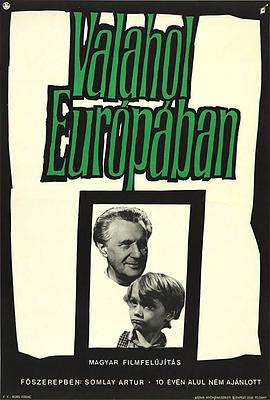
主演:Artúr Somlay Miklós Gábor Zsuzsa Bá
语言:其它
年代:未知
简介:Somewhere in the remote region, the war ends. In the midst of ruined cities and houses in the streets, in rural hamlets, everywhere where people still live, are children who have lost their homes and parents. Abandoned, hungry, and in rags, defenseless and humiliated, they wander through the world. Hunger drives them. Little streams of orphans merge into a river which rushes forward and submerges everything in its path. The children do not know any feeling; they know only the world of their enemies. They fight, steal, struggle for a mouthful of food, and violence is merely a means to get it. A gang led by Cahoun finds a refuge in an abandoned castle and encounters an old composer who has voluntarily retired into solitude from a world of hatred, treason, and crime. How can they find a common ground, how can they become mutual friends The castle becomes their hiding place but possibly it will also be their first home which they may organize and must defend. But even for this, the price will be very high. To this simple story, the journalist, writer, poet, scriptwriter, movie director, and film theoretician Béla Balázs applied many years of experience. He and the director Géza Radványi created a work which opened a new postwar chapter in Hungarian film. Surprisingly, this film has not lost any of its impact over the years, especially on a profound philosophical level. That is to say, it is not merely a movie about war; it is not important in what location and in what period of time it takes place. It is a story outside of time about the joyless fate of children who pay dearly for the cruel war games of adults. At the time it was premiered, the movie was enthusiastically received by the critics. The main roles were taken by streetwise boys of a children's group who created their roles improvisationally in close contact with a few professional actors, and in the children's acting their own fresh experience of war's turmoil appears to be reflected. At the same time, their performance fits admirably into the mosaic of a very complex movie language. Balázs's influence revealed itself, above all, in the introductory sequences an air raid on an amusement park, seen in a montage of dramatic situations evoking the last spasms of war, where, undoubtedly, we discern the influence of classical Soviet cinematography. Shooting, the boy's escape, the locomotive's wheels, the shadows of soldiers with submachine guns, the sound of a whistle—the images are linked together in abrupt sequences in which varying shots and expressive sharp sounds are emphasized. A perfectly planned screenplay avoided all elements of sentimentality, time-worn stereotypes of wronged children, romanticism and cheap simplification. The authors succeeded in bridging the perilous dramatic abyss of the metamorphosis of a children's community. Their telling of the story (the scene of pillaging, the assault on the castle, etc) independently introduced some neorealist elements which, at that time, were being propagated in Italy by De Sica, Rossellini, and other film artists. The rebukes of contemporary critics, who called attention to formalism for its own sake have been forgotten. The masterly art of cameraman Barnabás Hegyi gives vitality to the poetic images. His angle shots of the children, his composition of scenes in the castle interior, are a living document of the times, and underline the atmosphere and the characters of the protagonists. The success of the picture was also enhanced by the musical art of composer Dénes Buday who, in tense situations, inserted the theme of the Marseilaise into the movie's structure, as a motive of community unification, as an expression of friendship and the possibility of understanding. Valahol Europaban is the first significant postwar Hungarian film. It originated in a relaxed atmosphere, replete with joy and euphoria, and it includes these elements in order to demonstrate the strength of humanism, tolerance, and friendship. It represents a general condemnation of war anywhere in the world, in any form.